SUMMARY
An East of England case study into the relationship between the spaces of higher education and learner identity, for students with hidden disabilities in their first year of undergraduate study.
The unexamined space holds the potential for unexamined impact, and this is where space becomes an implicit but dangerous part of society, as it may be creating, reproducing and reinforcing expected norms to which those with HDs cannot subscribe and may therefore face disadvantage or discrimination.
The proposed research aims to understand the relationship between the spaces of higher education (HE) and learner identity for students with hidden disabilities (HDs) in their first year of undergraduate study. In particular, I am interested in how learner identity for those with HDs is constructed and reconstructed through the spaces of HE.
I will use a nested comparative case design with students across three universities in the East of England. The data will be collected through accessible and creative methods to elicit learner voices, to create rich and detailed cases, to better understand the relationship between the physical environment of HE, identity and HDs, and provide an evidence base for changes in educational policy and practice.
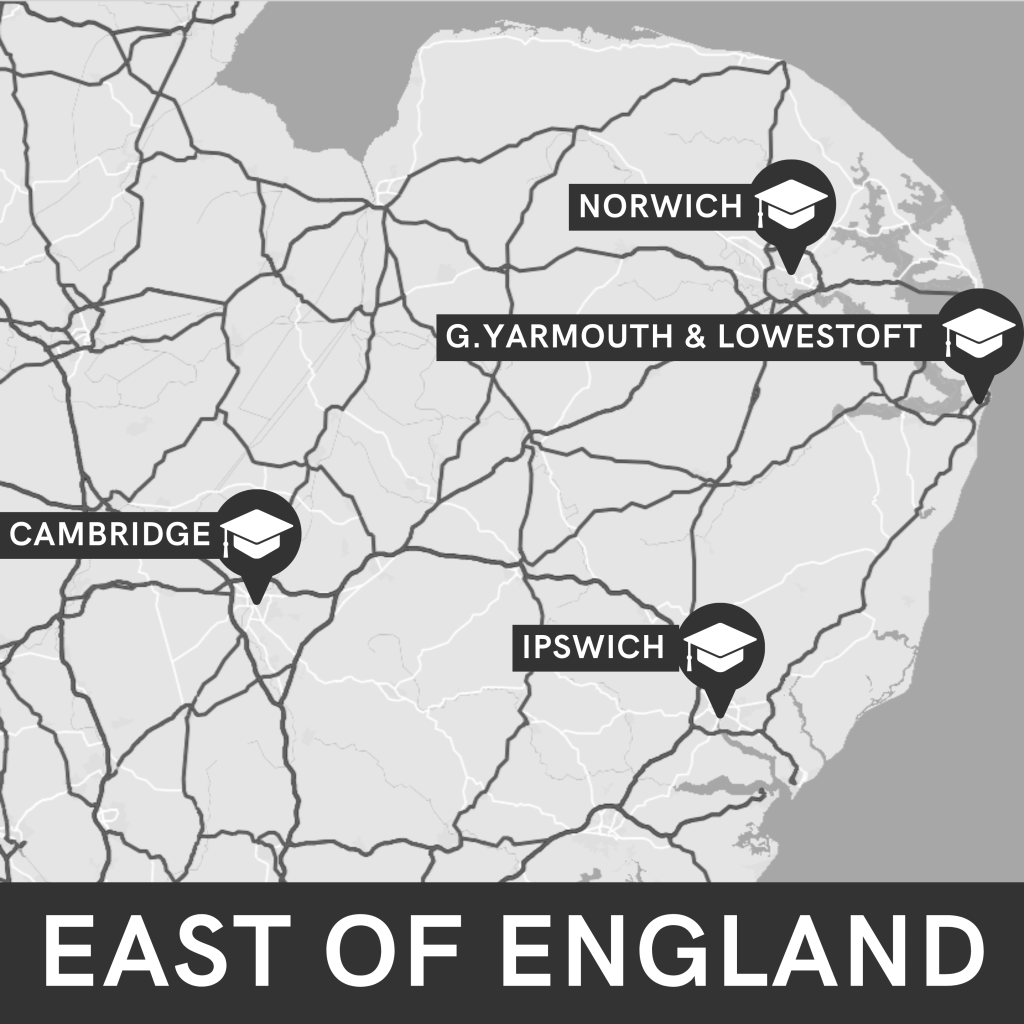
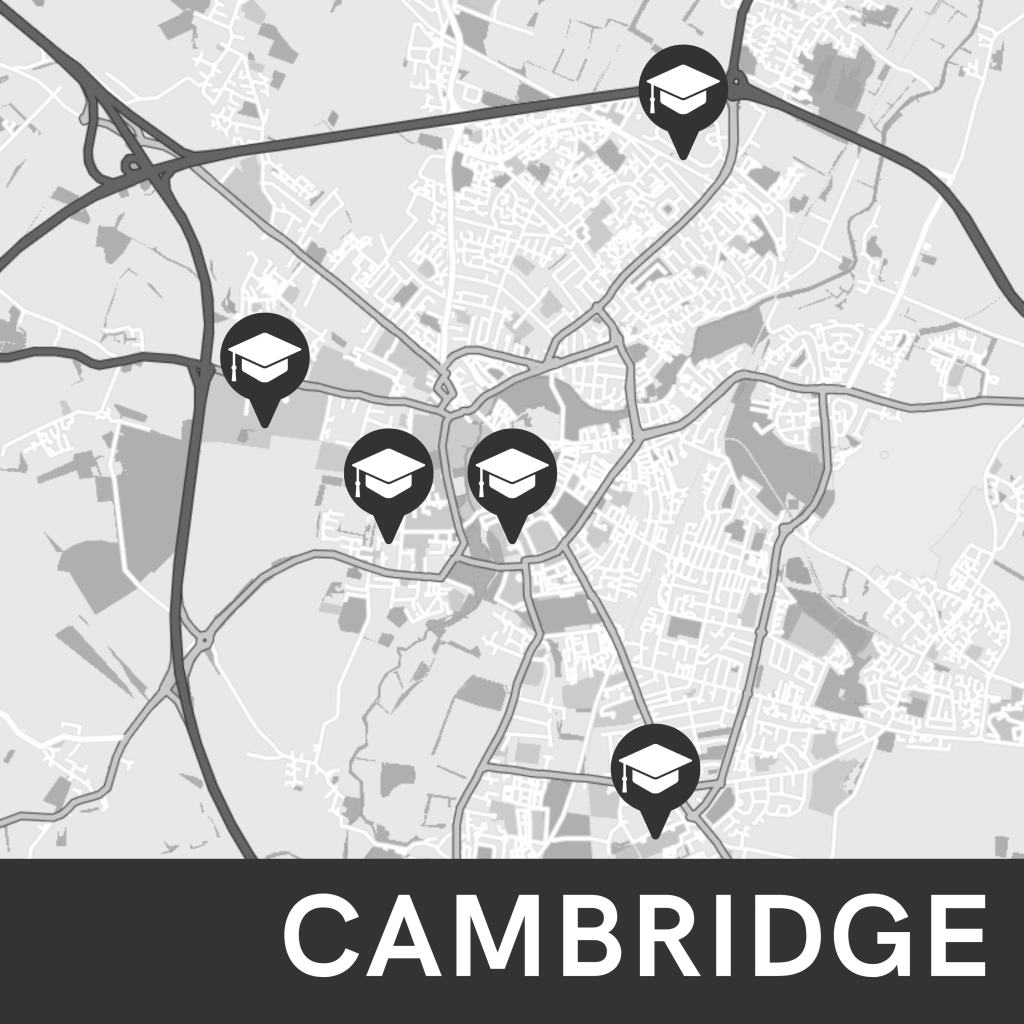
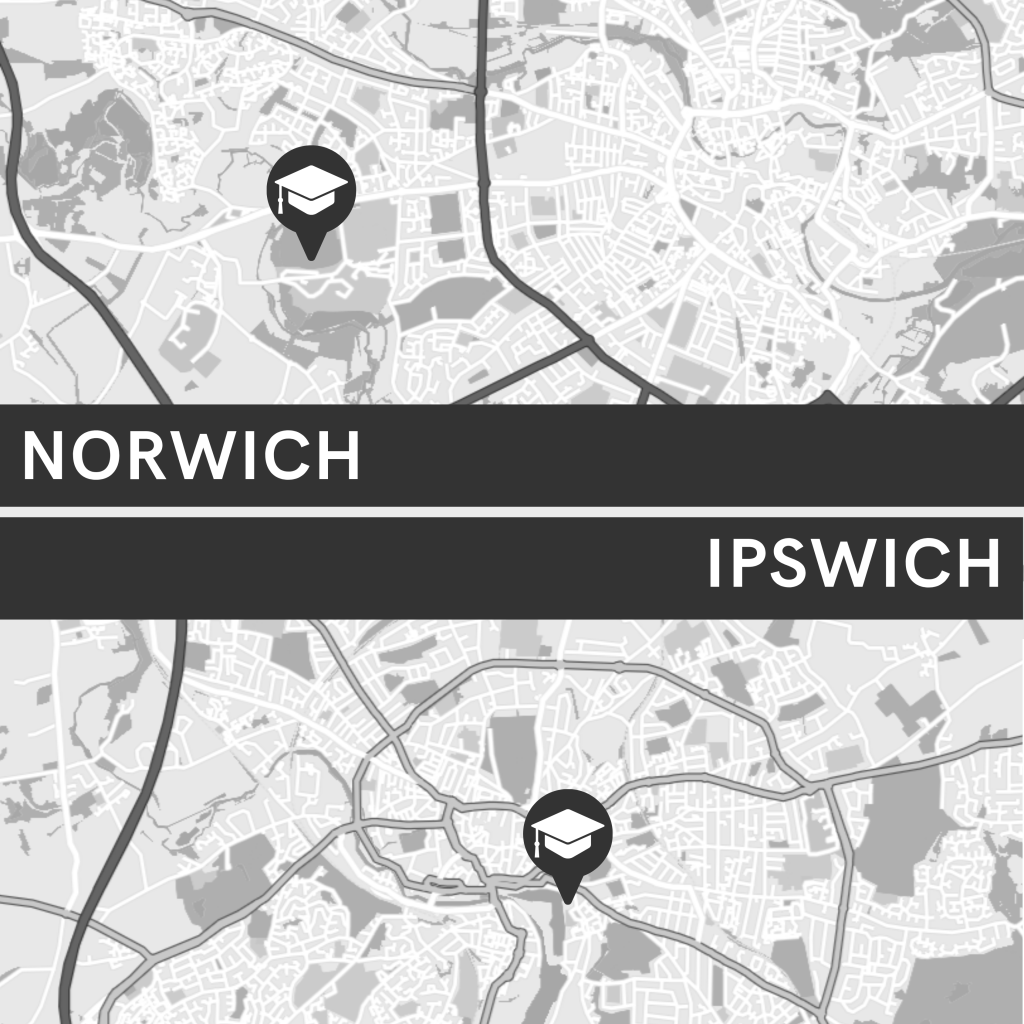
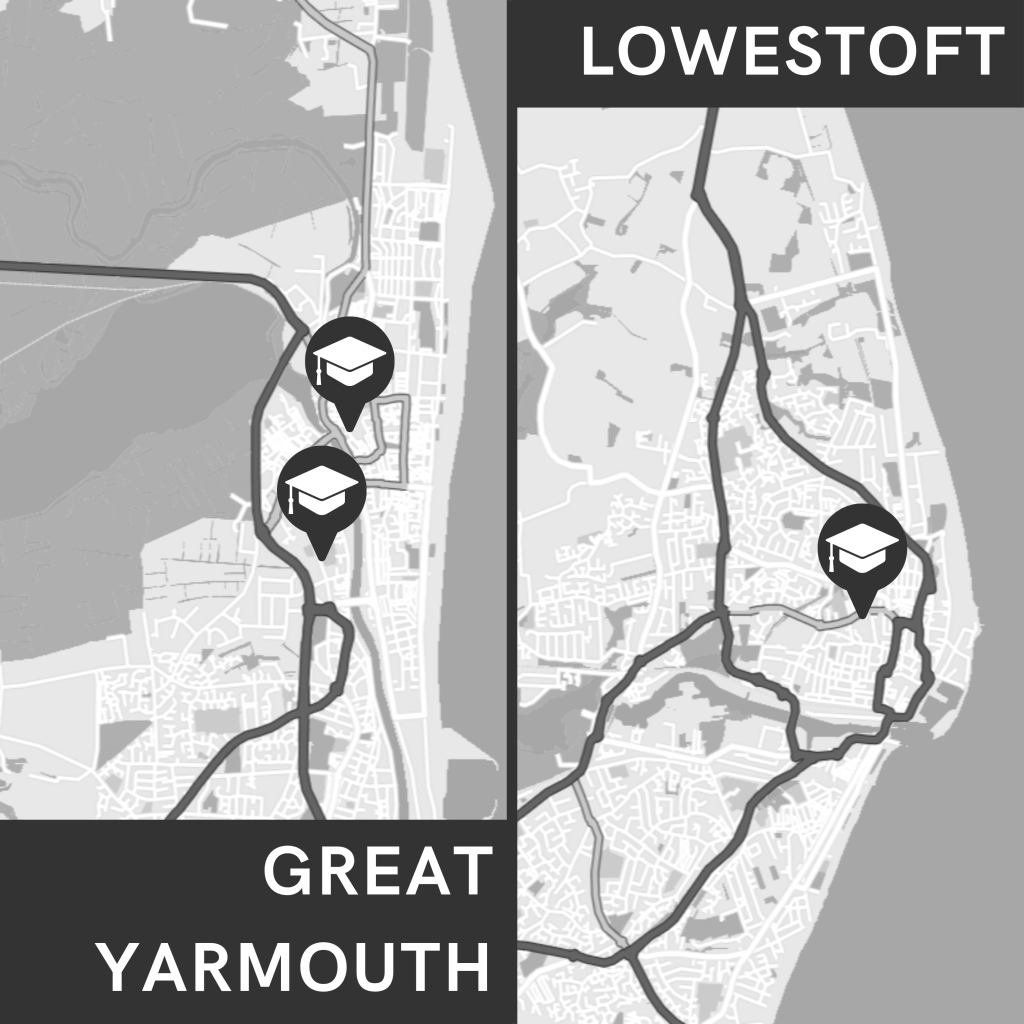
Research questions
- How do students with hidden disabilities transitioning into Higher Education perceive themselves as learners?
- How do students with hidden disabilities characterise educational spaces and how do they feel about these?
- How do learners with hidden disabilities perceive their learner identity in relation to educational spaces and how does this change through their transition into HE?
- What can be learnt about the experiences of students with hidden disabilities by considering the physical environment of Higher Education?
Nested case study
The research will use a narrative nested multi-case study design; each student will form a single case, these cases will be compared within and across their respective institutions.
Data collection
Photovoice
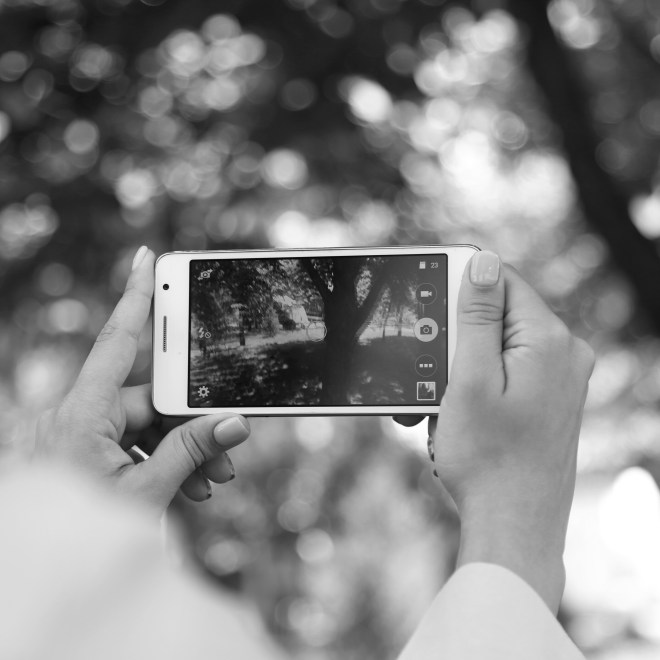
Photovoice, is a tool in which participants take photographs which represent their own perceptions and perspectives. In this project, participants will engage in auto-photography each month in response to prompt topics, such as: spaces which you feel impact your learning; spaces you’re aware of your disability; spaces you feel you belong.
Journals
Journals will capture participants thinking alongside their photographs. These will take a variety of forms, both analogue or digital, including written or audio narrative reflections, collections of maps, drawings, doodles, collages or memorabilia. This will provide explanations and context for their choice of subject matter, and their intention or meaning which they are trying to represent through the image.

Interviews
Following the project, interviews will take place to discuss the photographs and journals. The interview will focus on understanding the students’ experiences, opinions and feelings regarding their self-identity and the spaces of HE. These will be conducted face-to-face or online depending on the participants preference.

Data analysis
The data collected from the learner-collaborators across the institutions would provide a set of personal narrative experiences which will be analysed in relation to the theoretical concepts of the mutual construction of space and society, otherness and able normative culture in HE and bodily knowledge produced through space, in order to develop responses to the research questions.
A semiotic analysis will be used to interrogate and understand the meaning of the images produced. A thematic analysis using iterative cross-comparison of the data from students will consider universal or proprietary experiences of educational spaces and seek to establish themes within and across the cases to identify similarities and difference, including theoretical unpicking of design of the spaces selected by students.
Ethical considerations
The research has been granted ethical approval by the ethics committee at UEA.
Due to the potential sensitivity of the topic areas being explored, participant-led approaches which allow students involved to self-determine how their stories are represented. Although there is potential for emotional impact on participants from engaging in an examination and dialogue around their self-identity which could be challenging or traumatic, and any reinforce labels or a sense of othering. Participants will be signposted to appropriate support services if they disclose any emotional difficulties or if the researcher has concerns for their wellbeing. Equally, students will have a personal time commitment to the study which needs to be considered. Therefore, a pack will be provided to participants which has a copy of their consent, the expectations of their commitment and how to access support throughout the project if they need it.
Throughout the project, any data will be kept securely and confidentially, including any personal or identifying details, which will be anonymised to protect the privacy of participants.
 ELLE WILLS EdD PROJECT